Art Nouveau
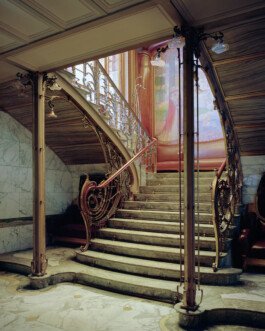
Brussels is where Art Nouveau architecture began, and much of it is still there if you know where to look. This is one of my specialities.
As an art curator, I put these visits together the way I'd plan an exhibition: a selection of houses and façades by Victor Horta, Paul Hankar, and their contemporaries, in an order that shows how the style was born and how it grew.
Bruges
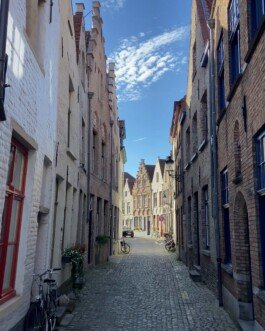
With a background in the art world, I show you Bruges through the eyes of the Flemish Primitives: the masterpieces of Van Eyck and Memling, the merchants who paid for them, and Michelangelo's Madonna, the only one of his sculptures to leave Italy in his lifetime.
Then we slip away from the crowds into quiet almshouse courtyards and the peaceful Sint-Anna quarter, the hidden corners most visitors never see.
Museums
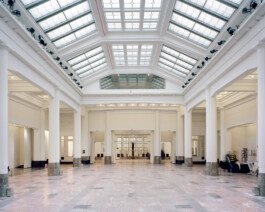
Most museum tours try to show you everything. Mine do the opposite. As an art historian and curator, I choose a handful of works and give them the time they deserve: how they were made, who they were made for, and why they still matter. You leave having really seen a few pieces, not having glanced at a hundred.
I guide at some of Belgium’s finest institutions. These include the Flemish masters at the Groeninge Museum in Bruges and the KMSKA in Antwerp, and the latest exhibitions at Bozar in Brussels. Each visit is shaped around you: a first encounter with old master painting, or a deep dive for seasoned museum-goers.
Damme and its Polders
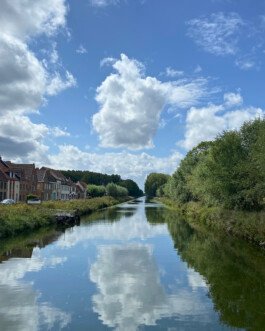
Just outside Bruges lies Damme, once the city's bustling medieval port and today one of the most charming villages in Flanders. On our tour we stroll past its Gothic town hall, the mighty Church of Our Lady and the cosy bookshops of this "book village," while uncovering stories of royal weddings, merchant ships and the legendary prankster Tijl Uilenspiegel.
From there we head into the Polders, a peaceful landscape of meadows, dikes and the poplar-lined Damse Vaart canal. Whether on foot or by bike, it's the perfect way to experience the wide skies and quiet beauty of the Flemish countryside, just minutes from Bruges.
The Meuse River
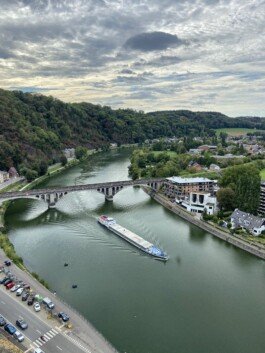
The Meuse valley is one of Belgium's most beautiful landscapes, and it is also the home of an art tradition with its own name. Mosan art, the medieval metalwork and goldsmithing that flourished here, produced some of the finest treasures in Europe. As an art curator, I build this tour around that connection between the river and what was made along it.
We follow the valley through towns like Namur and Dinant, with their citadels rising above the water. Along the way we stop at the works that made the region famous, like the baptismal font of Renier de Huy in Liège. It's a journey through dramatic scenery that also explains why it inspired so much art.
Art Nouveau
Brussels is where Art Nouveau architecture began, and much of it is still there if you know where to look. This is one of my specialities.
As an art curator, I put these visits together the way I'd plan an exhibition: a selection of houses and façades by Victor Horta, Paul Hankar, and their contemporaries, in an order that shows how the style was born and how it grew.
Bruges
With a background in the art world, I show you Bruges through the eyes of the Flemish Primitives: the masterpieces of Van Eyck and Memling, the merchants who paid for them, and Michelangelo's Madonna, the only one of his sculptures to leave Italy in his lifetime.
Then we slip away from the crowds into quiet almshouse courtyards and the peaceful Sint-Anna quarter, the hidden corners most visitors never see.
Museums
Most museum tours try to show you everything. Mine do the opposite. As an art historian and curator, I choose a handful of works and give them the time they deserve: how they were made, who they were made for, and why they still matter. You leave having really seen a few pieces, not having glanced at a hundred.
I guide at some of Belgium’s finest institutions. These include the Flemish masters at the Groeninge Museum in Bruges and the KMSKA in Antwerp, and the latest exhibitions at Bozar in Brussels. Each visit is shaped around you: a first encounter with old master painting, or a deep dive for seasoned museum-goers.
Damme and its Polders
Just outside Bruges lies Damme, once the city's bustling medieval port and today one of the most charming villages in Flanders. On our tour we stroll past its Gothic town hall, the mighty Church of Our Lady and the cosy bookshops of this "book village," while uncovering stories of royal weddings, merchant ships and the legendary prankster Tijl Uilenspiegel.
From there we head into the Polders, a peaceful landscape of meadows, dikes and the poplar-lined Damse Vaart canal. Whether on foot or by bike, it's the perfect way to experience the wide skies and quiet beauty of the Flemish countryside, just minutes from Bruges.
The Meuse River
The Meuse valley is one of Belgium's most beautiful landscapes, and it is also the home of an art tradition with its own name. Mosan art, the medieval metalwork and goldsmithing that flourished here, produced some of the finest treasures in Europe. As an art curator, I build this tour around that connection between the river and what was made along it.
We follow the valley through towns like Namur and Dinant, with their citadels rising above the water. Along the way we stop at the works that made the region famous, like the baptismal font of Renier de Huy in Liège. It's a journey through dramatic scenery that also explains why it inspired so much art.